In the past year, Buzz Feiten has been the subject of several posts here, along with ones on his collaborations with keyboardist Neil Larsen.
We have to some extent documented his work in The Paul Butterfield Blues Band, the original Full Moon, The Larsen-Feiten Band, a reunion of sorts with Butterfield and his more recent projects, including The New Full Moon of the early 2000s.
But his work is at best elusive, somewhat rare and definitely difficult to track down with so many albums going in and out of print. Mostly out.
Coming across the video below was a happy find. It features Feiten with The New Full Moon band that released an album around 2002 (although this clip is acutally dated Jan. 11, 2007) and included original Full Moon bass player Fred Beckmeier, reed man Brandon Fields, drummer Gary Mallaber and keyboard player Jai Winding playing the opening cut from that self-titled album, Hey, Dinwiddie, a dedication to the great tenor sax man Gene Dinwiddie of the Butterfield Band and the original Full Moon.
If you haven’t actually heard or seen Feiten yet, then this clip is for you. The tune is a soulful, funky, blues-drenched track, right in Feiten’s main groove.
 For the uninitiated, Rockpalast is a long-running German TV show that started in the early 1970s and broadcasts live concerts. Many performances from those shows by scores of artists have been officially released or generally available over the years.
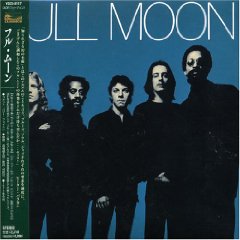 The self-titled album Full Moon from 1971 fits into this category. Three of its members came from the Paul Butterfield Blues Band, drummer Phillip Wilson and tenor saxman Gene Dinwiddie (billed as Brother Gene Dinwiddie throughout the album’s credits), both of whom joined Butterfield around 1967 for The Resurrection Of Pigboy Crabshaw, and Buzz Feiten, who joined Butter a little later in ’68 replacing guitarist Elvin Bishop. Feiten, who did a stint with the Rascals after Butterfield, was one of the most unusual additions to Butterfield’s band, younger than most of the other players, precocious, almost punk for 1968. He brought a different sound and style and great versatility to the band with his piercing Fender Strat, cut more from a soul vein than blues.