Two years ago, Levon Helm, legendary singer and drummer for The Band, released his first solo album in 25 years, Dirt Farmer. A bluegrass leaning record with elements of country, blues and R&B, it brought Helm back in a big way after his bout with cancer of the vocal cords in the early 2000s.
 His voice had changed somewhat but the trademark quality that graced so many of The Band’s signature tunes was intact with a slightly raspier flavor.
Now Helm has followed up the Grammy winner with Electric Dirt, on which he comes a little closer to the style of The Band while retaining his own musical identity. With the help of extraordinary guitarist/producer Larry Campbell, who among many other projects has played with Bob Dylan’s Never Ending Tour band, Helm’s daughter Amy of Olabelle and a host of other distinguished musicians, Helm has shaped a rocking, bluesy, down home sounding record that is about as earthy as it gets when it comes to roots music.
There are tracks as good but none better than the opener Tennessee Jed, a Jerry Garcia/Robert Hunter tune, on which Campbell plays an infectious slide riff in answer to Helm’s vocal. It’s augmented by a full horn section that includes Howard Johnson on tuba. An easy rocking groove makes this a song you can’t sit still to. Continue reading Electrified Levon
 I caught The Beehive Queen and her remarkable band Rebel Montez Saturday night at Cafe Nine, a tiny club that might hold 200, in New Haven, Connecticut. Chris showed why she is one of the state’s legendary R&B/soul singers as I watched her play the first of two 90-minute sets that included original tunes from each of her five albums and a number of meticulously chosen covers that not only put her vast talents on full display but also carried a sense of blues and soul history.
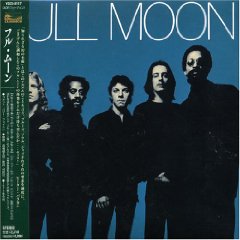 The self-titled album Full Moon from 1971 fits into this category. Three of its members came from the Paul Butterfield Blues Band, drummer Phillip Wilson and tenor saxman Gene Dinwiddie (billed as Brother Gene Dinwiddie throughout the album’s credits), both of whom joined Butterfield around 1967 for The Resurrection Of Pigboy Crabshaw, and Buzz Feiten, who joined Butter a little later in ’68 replacing guitarist Elvin Bishop. Feiten, who did a stint with the Rascals after Butterfield, was one of the most unusual additions to Butterfield’s band, younger than most of the other players, precocious, almost punk for 1968. He brought a different sound and style and great versatility to the band with his piercing Fender Strat, cut more from a soul vein than blues.